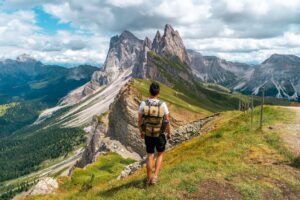
A weekend outdoors does not need a packed itinerary to feel like a proper break. Two days can be enough to walk somewhere new, spend a night camping or simply exchange a familiar indoor routine for fresh air. The key is to choose a plan that fits the time you have. When preparation is manageable and travel is realistic, you can spend more of the weekend enjoying the place rather than hurrying through it.
Begin with one main idea. You might camp beside a walking route, explore a stretch of coast or take two day trips from home. Choose a destination based on the activities you enjoy and the conditions expected, not just its appearance in photographs. A nearby place can offer more time outdoors than an ambitious destination that takes half the weekend to reach. Consider how tired you are likely to be on Friday evening and when you need to return on Sunday.
If you are camping, check availability and book when needed. Read the site’s facilities and rules so you know what to bring. Look at the travel route and arrival window. If you will walk to the pitch, assess the weight of your bag and the distance from transport. A well chosen site can serve as a comfortable base even if the main attraction is a walk or local visit nearby.
Pack on the previous day if possible. Lay out your shelter, sleep setup, clothing, light, food and water arrangements. Check for missing tent components and charge your phone and power bank. Save booking details and routes where you can access them without a signal. This preparation does not have to become a major project. A brief checklist and a bag by the door can make the start of the weekend feel calm.
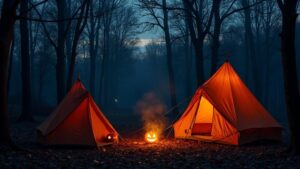
Plan around daylight. Know roughly when it will get dark and allow enough time to arrive, set up and locate facilities. If you are walking, estimate a return time that includes breaks and slower sections. Keep an alternative route or shorter option in mind. You can still be spontaneous, but a little timing awareness protects the hours you hoped to spend enjoying the landscape.
Choose activities that complement rather than compete with one another. A long walk followed by a simple meal and a quiet evening may be more satisfying than rushing to fit in several attractions. If you want to photograph a sunrise, leave the rest of the morning flexible. If a market or visitor centre is important, check its hours and plan one route around it. Let the weekend have a centre without turning it into a schedule full of deadlines.
Food can become a highlight with minimal effort. Pack something you will enjoy eating after an active day, whether that is a simple cooked meal, a picnic or a stop at a local café. Bring enough snacks and water for walks, and consider where you can refill supplies. If you use a stove, follow its instructions and campsite rules and cook in a suitable outdoor space. Avoid placing a complicated menu between you and a relaxing evening.
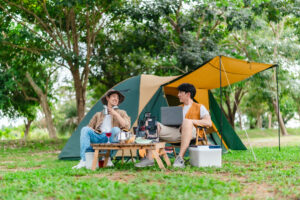
Make space for rest. You might sit with a hot drink after pitching a tent, read in the afternoon or take an unhurried walk without a destination. These moments are easy to remove when you are trying to maximise every minute, yet they can be what makes the weekend feel different from a busy week. Being outdoors does not require constant movement. Give yourself permission to pause and pay attention.
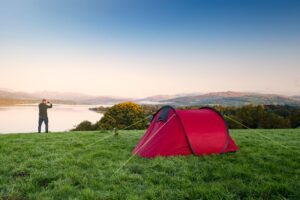
If you travel alone, use that freedom thoughtfully. Take a route you are interested in rather than one chosen to please a group. Stop when something catches your eye and change your plan if your energy changes. At the same time, share your broad plans with someone if you will be in a quieter area, and carry navigation and weather protection appropriate to the route. Independence works best when practical preparation supports it.
The weather will influence your plans, but it does not always need to end them. A light shower might be manageable with suitable clothing and a shorter route. Prolonged rain, strong wind or conditions beyond your equipment and experience may call for a different activity or destination. Check the forecast shortly before leaving and again during the trip where possible. A flexible weekend can still be a good weekend even if it does not follow the original plan.
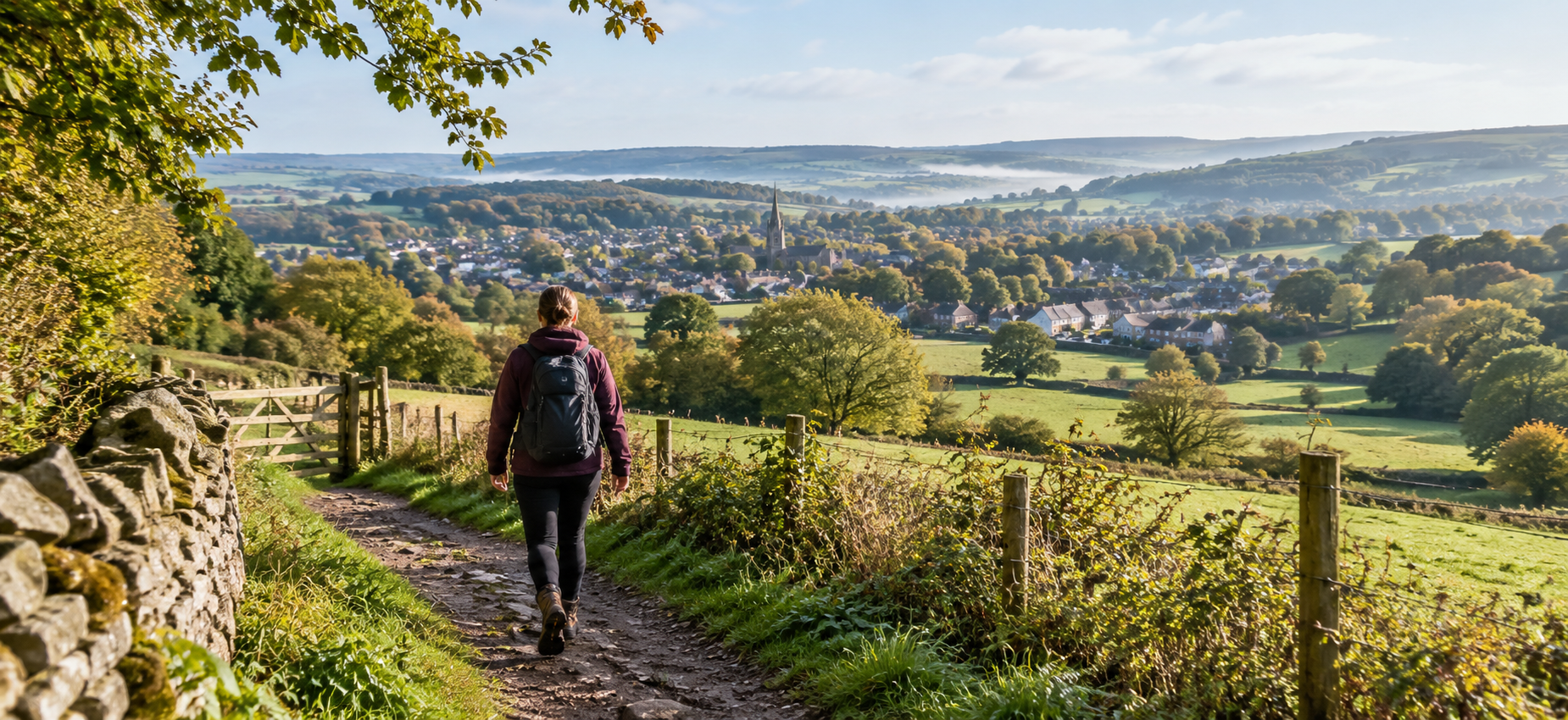
Try to leave time to explore without a goal. Follow a permitted path a little farther, pause at a viewpoint or walk through a town after your planned activity. Check access and transport before committing to a major detour, but let curiosity have a place. The small discovery you did not research in advance may become the thing you remember most clearly.
Take care of the places you visit. Follow marked access and site rules, respect wildlife and bring rubbish back with you. Keep noise considerate when others are camping nearby. These are straightforward habits that help outdoor spaces remain pleasant and accessible. They can also make your own experience calmer, because you become more attentive to the setting rather than treating it as a backdrop.
On Sunday, avoid leaving every task until the final hour. Pack gradually, check that your pitch is clear and allow time for travel disruptions. If equipment is wet, plan to dry it properly when you get home. A rushed departure can colour your memory of an otherwise excellent weekend. A quieter finish lets you carry some of that outdoor feeling into the week ahead.
It is useful to review the trip while details are fresh. What did you use frequently? What stayed untouched in the bag? Was the travel time worthwhile? Did you enjoy a busy route or prefer a quieter place? Make a few notes in your phone or notebook. The answers will help you choose a destination and pack more confidently next time.
You can make outdoor weekends a regular part of life without repeating the same plan. Try a campsite in one season and a day walk in another. Return to a favourite place to see how it changes, or take a different path from the same starting point. A series of manageable trips can build familiarity with your gear and with your own preferences. Each one makes the next easier to organise.
The point of a weekend outdoors is not to prove how far you travelled or how much you fitted in. It is to spend time in a way that feels worthwhile to you. Choose one appealing idea, prepare the essentials, leave room for rest and pay attention to what you discover. Even a short escape can make the ordinary week feel a little wider when you return.
If a full overnight stay is difficult to arrange, use one day as a deliberate break. Leave early enough to enjoy the morning, take a substantial walk or visit a new outdoor place, and plan a relaxing meal afterwards. Keep the evening free of errands if possible. A day trip will not give you a night under the stars, but it can still provide a change of scenery and a sense of having stepped away from routine.
For a first camping weekend, choose a site with facilities that match your comfort level. A short journey and simple meals can make the trip less demanding. Arrive early enough to practise pitching without an audience of darkness and tiredness. Once the tent is up, take a look around before planning the next day. You may find a nearby route that suits you better than the one you picked online. This is a chance to learn how you like to camp, not an examination of your outdoor credentials.
If you are travelling with friends, agree on the rough pace in advance. One person may want a long hike while another hopes for a relaxed afternoon. A short conversation about the main activity, meal plans and time to leave can prevent the weekend from becoming a negotiation. You can build in an hour or two when everyone follows their own interests. Shared trips often feel easier when individual preferences have room to exist.
Think about the journey home as part of the weekend, especially if it involves a long drive or several connections. Save enough energy and daylight for the return where practical. Check road or transport updates and keep food and water accessible. If you are tired after a demanding walk, take the time you need before setting off. A realistic return plan helps you finish the trip comfortably and makes it more likely that you will want to head outdoors again soon.
Once home, give your equipment a little attention. Air your sleeping bag, dry your tent completely and clean anything that needs it according to its care instructions. Refill items you used from your kit and put small components back where they belong. This simple routine means the next trip begins with ready equipment instead of a last minute search for missing pegs or a damp tent. The weekend may be over, but looking after the kit is part of making future escapes easier.
You might also create a list of possible weekends for the coming months. Include a nearby option for uncertain weather, a place you would like to revisit and one destination that feels like a stretch. Check seasonal access and campsite availability before making definite plans. Having several ideas ready helps you use a free weekend when it appears, without forcing a trip on a date when conditions or your energy are wrong.