Autumn brings some of the most appealing conditions for a camping weekend: changing colours, crisp air and a different rhythm from the busiest summer months. It also brings shorter days and weather that can shift quickly. A useful packing list should therefore begin with the details of your trip. Where will you stay, how will you travel, what facilities are available and what does the forecast say? The right kit for a car accessible campsite will differ from what you can comfortably carry on a long walk.
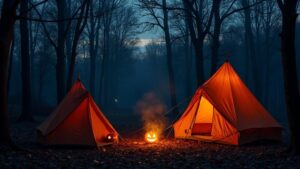
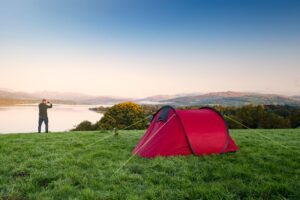
Start with your shelter. Check that your tent is complete, including poles, pegs and any parts needed for its weather protection. If it has been stored since summer, pitch it beforehand and look for damage. Autumn ground can be wet, so confirm how the tent’s floor and outer layer are intended to work together. A groundsheet or footprint can help protect the tent floor when used according to the tent’s design. Bring a way to separate muddy or wet items from the rest of your bag.
Next, focus on overnight warmth. A sleeping bag’s stated temperature guidance is a starting point, but comfort varies between people. Read the product information and consider the expected overnight low, not just the daytime temperature. A suitable sleeping mat matters because the ground draws heat away from your body. Its thickness alone does not tell you how insulating it is. If you are unsure of your setup, test it on a mild overnight trip before depending on it in colder conditions.
Sleepwear should be dry and comfortable. Reserve a clean layer for bed if you expect your daytime clothes to become damp. Socks, a hat and a warm mid layer may be useful, depending on conditions, but avoid packing on the assumption that more clothing will fix an unsuitable sleeping system. Keep tomorrow’s clothes in a dry bag or another protected place. Waking up with something warm and dry to put on makes a cold morning much easier to enjoy.
For daytime clothing, think in layers rather than one heavy garment. A comfortable base layer, an insulating mid layer and a waterproof outer layer let you respond as the temperature and activity level change. Bring spare socks and footwear suited to your route and the ground. If you plan to walk, avoid relying on brand new boots for a long distance without testing them first. A small bag for damp clothing can keep everything else in better condition.
Rain protection deserves its own check. A jacket that handles a brief shower may feel different during hours of steady rain. Read the product details and consider how exposed your planned activities will be. Trousers that dry reasonably quickly can be helpful, and a waterproof cover or liner for your bag protects the things you need to keep dry. Even when rain is unlikely, a spare layer often earns its place on an autumn trip because the weather can change during a walk.
Shorter daylight hours make lighting essential. A head torch is convenient for cooking, looking through a bag and walking to campsite facilities. Check its batteries or charge before departure, and carry a spare power source if appropriate. A small lantern can make a tent more comfortable, but it should be suitable for that use. Avoid open flames inside a tent. Know when sunset is expected and aim to arrive with enough daylight to pitch and organise camp without rushing.
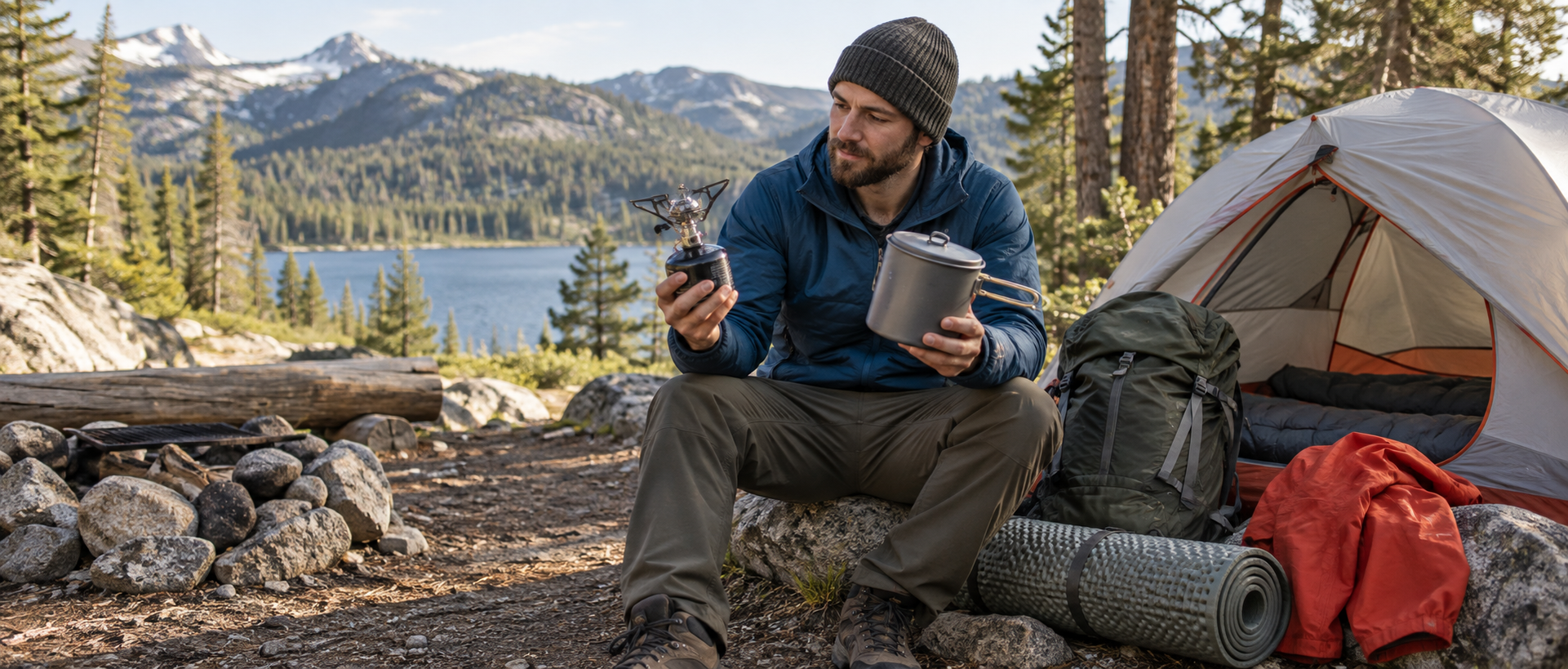
Plan food around the equipment and facilities you will actually have. A warm meal can be welcome after a cool day, but complicated recipes create extra washing and packing. Choose a few easy meals, add snacks and check how much water you need for drinking and cooking. Confirm whether the campsite provides safe drinking water. If you bring a stove, follow its instructions, use it in a suitable outdoor space and observe site rules. Never use a stove or fuel appliance inside an enclosed tent.
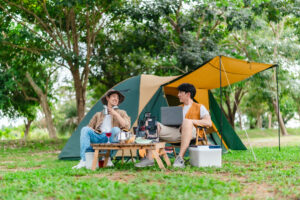
Pack the small items that make food preparation work: a suitable pot if needed, utensils, a mug, something to clean up with and a way to take rubbish away. Consider how you will store ingredients during the trip. Some foods require temperature control, while others travel more easily. If you are driving, you may have room for a more comfortable camp kitchen. If you are carrying everything, keep the menu simple enough that the extra weight still feels worthwhile.
Navigation and communication deserve a place in the packing plan even for a short weekend. Save booking details, a site address and any walking route before you leave. A downloaded map can help when mobile signal is weak. Charge your phone and bring a suitable power bank if you expect to use it for long periods. Let someone know your general plan and expected return. If your walk is longer or more remote, take navigation options appropriate to that route and your ability to use them.
Personal items are easy to overlook while thinking about tents and jackets. Bring necessary medication, toiletries, a small first aid kit suited to your activities, and anything you need for washing or contact lenses. Check what bathroom facilities the campsite offers. A small towel and comfortable shoes for moving around the site can be useful. Keep essential items in a consistent pocket so you can find them when the light is low.
How you organise your pack affects the experience. Put your tent where it is accessible on arrival and protect your sleepwear and sleeping bag from moisture. Group cooking items together. Keep your head torch, rain layer and booking information easy to reach. Packing cubes, dry bags or simple reusable bags can all work; the goal is to avoid emptying everything onto wet ground to find one item.
Remember that autumn conditions affect the trip after it ends, too. If your tent or sleeping bag comes home damp, dry it thoroughly according to its care instructions before storage. Clean mud from footwear and check whether any equipment needs repair. Make a note of items you carried but did not use and things you wished you had. Over time, your own packing list will become more useful than a generic list because it reflects how you actually camp.
You do not need to own every piece of outdoor equipment to enjoy a weekend away. You need a shelter and sleep setup that suit the conditions, clothing that can handle the forecast, enough food and water, and a practical way to manage light and navigation. Check the details of the trip, pack deliberately and leave some space to enjoy the changing season. Autumn camping is at its best when preparation supports the experience instead of becoming the whole experience.
The campsite can change your list substantially. A site with toilets, showers and a small shop may allow you to pack lightly. A basic site may require more attention to water, washing and food storage. Read the facilities description carefully and contact the site if an important detail is unclear. Check whether you can park beside your pitch or will need to carry everything from a separate area. A short carry across wet grass feels longer when a bag is awkward and overfilled.
If you plan to walk away from camp, pack a separate day bag. Carry water, a snack, weather protection, a light and any navigation tools you need for the route. Leave your main camping equipment properly secured at the site according to its rules. Check the time needed for the walk and set a turnaround point that gives you enough daylight to return. Autumn’s early sunset can catch out anyone who plans only around the outward journey.
Comfort items have a place when they earn their weight. A seat, favourite hot drink or book may make a relaxed evening feel special. On a walk in trip, choose one or two. At a car accessible site, you can bring a few more without making travel difficult. The aim is not to prove you can do without comfort. It is to know which additions improve the weekend and which simply occupy space.
Before departure, lay everything out and imagine the trip from arrival to bedtime and then through the following morning. Can you pitch the tent, stay dry, prepare food and pack up with what is there? This simple mental walk through often reveals a forgotten item. It can also show you where you have packed unnecessary duplicates. Make the final list your own and adjust it after every trip.
Check the weather once more shortly before you leave and be willing to alter the plan. A forecast that shifts towards stronger wind or much lower temperatures may call for different equipment or a different weekend. Packing well includes knowing when the conditions are beyond what your kit and experience can comfortably handle.
A final check can save an uncomfortable night.
It is also a chance to check whether the trip still sounds enjoyable. If you are carrying far more than expected, revisit the plan and decide what you can simplify. A lighter bag and a straightforward meal may give you more time to notice the colours, sounds and cooler air that drew you outdoors in the first place.

I’m the voice behind The Solo Gent, sharing my interest in solo adventures, camping and the freedom to explore at my own pace.
This blog is a place for practical ideas and honest inspiration. I write about planning trips, choosing gear and finding worthwhile adventures both close to home and farther afield. You don’t need to be an expert or travel for weeks to begin—sometimes a single night camping or a new walking route is enough.
If you’re ready to make the journey your own, welcome to The Solo Gent.