
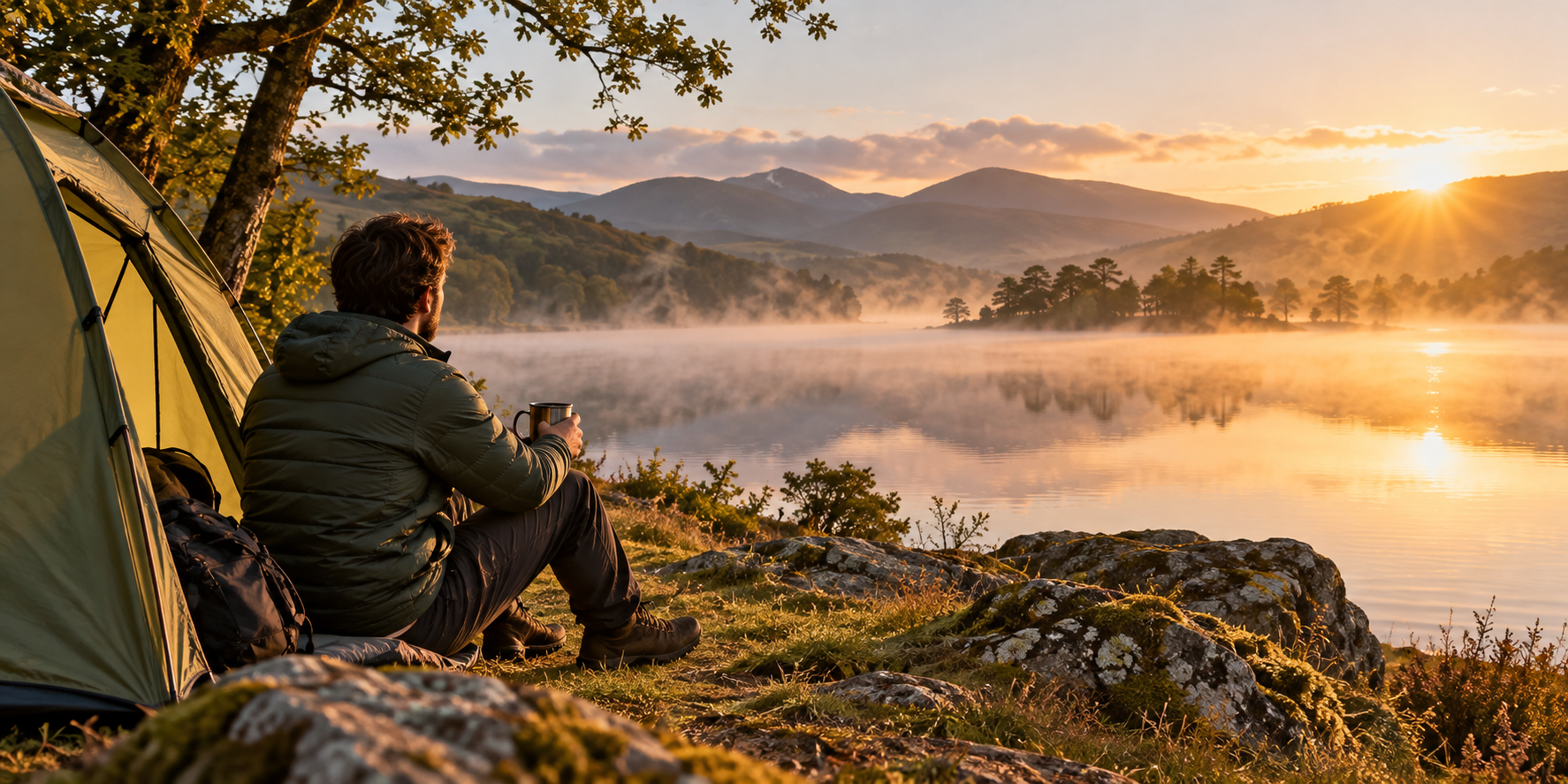
Travelling alone gives you control over a rare resource: your time. You can leave early because you like quiet mornings, linger over lunch or take a detour towards a place that catches your attention. There is no shared schedule to negotiate. That freedom can be exhilarating, but it may also feel unfamiliar if most of your trips have been planned around other people. Learning to travel at your own pace is less about doing everything independently and more about noticing what you actually enjoy.
Begin with a modest trip. A day in a nearby town or a weekend at a campsite gives you room to experiment without a complicated itinerary. Choose one or two things you would like to do, then leave unscheduled time around them. If you fill every hour before you depart, the trip can feel like another list of tasks. A few anchors provide direction while still allowing the day to unfold.
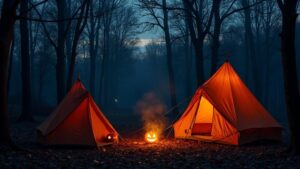
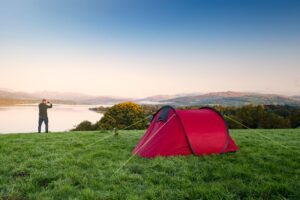
Your preferred pace may not be constant. You might enjoy a brisk walk in the morning and a long pause in the afternoon. You may want to visit several places on one day and read beside a tent on the next. Solo travel makes these shifts easy. You can respond to the weather, your energy and what is available without disappointing a companion who expected something else.
Practical planning supports that flexibility. Know how you will reach your destination, where you will stay and which transport times are fixed. Check the forecast and save important details offline. For a walk, understand the route, its length and the available daylight. Once the essentials are settled, you can make smaller choices as you go. Freedom is more enjoyable when you are not worrying about where you will sleep that night.
Eating alone can be one of the first unfamiliar moments. You may feel self conscious in a café or restaurant even though other diners are rarely paying attention. Start with a relaxed place or take a picnic if that feels easier. Bring a book, watch the surroundings or simply enjoy the food. There is no rule that a meal must be shared to be worthwhile. Over time, choosing where and when to eat may become one of your favourite parts of travelling solo.
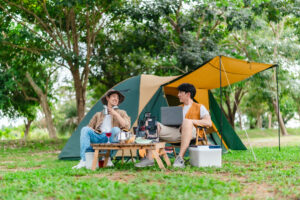
Another advantage is the ability to notice small details. Without a conversation to follow, you may hear birds along a path, notice the shape of an old building or see how a landscape changes as clouds pass overhead. This does not mean you need to be silent throughout the trip. You can talk to people at a campsite, ask a local for a recommendation or call a friend in the evening. The value is being able to choose when you want company and when you want quiet.
Some people worry that a solo trip will feel lonely. It can at times, particularly during a long evening or after a plan falls through. Bring an activity you enjoy and consider staying somewhere with a welcoming, shared atmosphere if you would like occasional conversation. A message to someone at home can help. It is also fine to change the plan. An enjoyable solo trip does not depend on proving you can tolerate every moment without contact.
Allow yourself to change course when you learn something new. If a museum is more interesting than expected, stay longer. If a crowded attraction is not for you, leave. If you are tired, shorten the walk or take a break. This is not a failed itinerary; it is a trip adapted to the person who is actually taking it. A flexible plan can create memories you would have missed by following a strict timetable.
Budget can benefit from the same personal approach. You might spend more on comfortable accommodation and less on dining, or keep lodging simple so you can pay for an activity that matters to you. Set an overall amount you can afford, then choose priorities deliberately. Solo travel does not automatically cost less, since you may not share transport or room expenses. Understanding the likely costs ahead of time lets you enjoy the trip without repeated financial surprises.
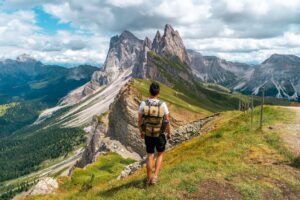
For outdoor adventures, remember that a comfortable pace includes safety margins. Allow time to return before dark, account for rest stops and choose a route suited to your experience. Weather and terrain can affect progress more than a distance figure suggests. Let someone know your plan when heading to a quieter area. Travelling your own way is compatible with taking sensible precautions and turning back when conditions demand it.
Photography and social sharing are optional. You might take pictures to remember a place, or you might keep your phone in your pocket for most of the day. Try noticing when you reach for the camera out of habit and when you genuinely want to preserve a moment. A private note at the end of a trip can hold details that a photograph misses: the smell of rain on the path, a meal you enjoyed or a conversation that made you smile.
Solo travel can reveal preferences that are easy to overlook in a group. Perhaps you prefer walking to sightseeing, small campsites to busy hotels or a long breakfast to an early start. Keep track of those discoveries without trying to turn them into a fixed identity. Your tastes may change with the season, destination or stage of life. The next trip can reflect what you learned from this one.
It can help to build gentle routines. Arrive while there is daylight, locate the facilities, unpack what you need first and look at tomorrow’s options before bed. These habits reduce the effort of settling somewhere new. They also leave you more attention for the good parts of the journey. A routine is a foundation, not a timetable that has to govern every hour.
Consider sharing your plans with someone who cares about you, especially for a longer journey. Give them the broad itinerary and an expected check in time. You can maintain your independence while making it easier for someone to know where you intended to be. If plans change, update them when you can. This is a practical habit that becomes more valuable as trips become longer or more remote.
When you return, think about what made the journey satisfying. Was it the destination, the freedom to choose, the quiet or the confidence of handling things yourself? You do not need a dramatic story for a trip to matter. A weekend that leaves you rested and curious about the next one has done its job. Travelling at your own pace means making room for the experience you want, even when it looks different from someone else’s version of adventure.
If you are uncertain about starting alone, try a familiar destination in a new way. Take the train to a town you know and spend the afternoon there without arranging to meet anyone. Walk a well marked route you have previously done with friends. Familiar surroundings reduce the number of decisions, while the solo element lets you practise choosing your own pace. You can make the next trip a little more adventurous once this feels comfortable.
There is also room for spontaneity within a plan. Keep a list of optional stops rather than promising yourself you will visit them all. If the weather improves, take the scenic route. If rain arrives, spend longer indoors. Check any time sensitive bookings first so a detour does not create a problem later. This approach gives you choices without the pressure of inventing an entire day from scratch whenever you wake up.
Respect for the places you visit is part of a satisfying trip. Follow local access rules, take rubbish with you and give other visitors room on shared paths. At a campsite, observe quiet hours and use facilities as intended. These habits help preserve the places that make independent adventure possible. They also make it easier for everyone, travelling alone or together, to feel welcome.
Finally, resist comparing your journey with a carefully edited account of someone else’s. You may spend a morning waiting for a bus, eat an ordinary sandwich or decide a viewpoint is too crowded. None of that cancels the trip. The purpose of travelling at your own pace is to make choices that suit the real day in front of you. Often the most satisfying moments happen between the planned highlights.
Give yourself time after the trip before planning another. You may want to return to the same place with a different route, or you may discover that a quieter destination would suit you better. Ask what you looked forward to each morning and what felt like unnecessary effort. Those answers are more useful than a checklist of attractions completed. They help you build a travel style that is genuinely your own and can evolve as your interests change.
The next journey may be shorter, longer or completely different. The valuable part is knowing that the decision is yours.

I’m the voice behind The Solo Gent, sharing my interest in solo adventures, camping and the freedom to explore at my own pace.
This blog is a place for practical ideas and honest inspiration. I write about planning trips, choosing gear and finding worthwhile adventures both close to home and farther afield. You don’t need to be an expert or travel for weeks to begin—sometimes a single night camping or a new walking route is enough.
If you’re ready to make the journey your own, welcome to The Solo Gent.