
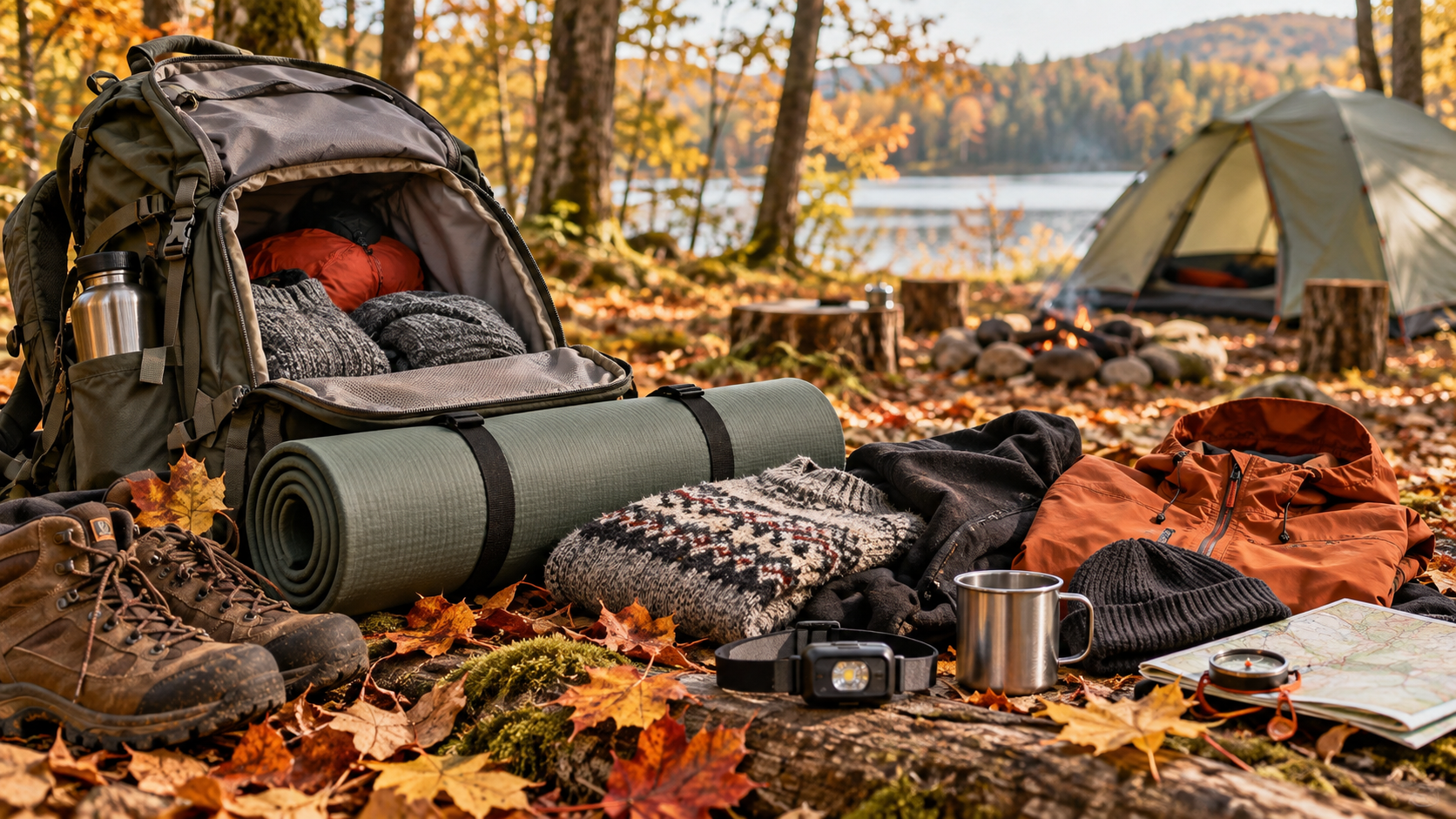
Solo camping can sound like a big leap when every part of the trip is yours to organise. You choose the destination, set up camp, prepare meals and decide what to do with the hours in between. That independence is also what makes the experience rewarding. A first trip does not need to involve a remote mountain or a week away. A single night at a managed campsite can give you space to learn the basics and discover what you enjoy about being outdoors on your own.
Begin by deciding what you want from the trip. Perhaps you want a peaceful evening with a book, a morning walk from your tent or a chance to test equipment before a longer holiday. Your answer will help you choose a site. If comfort matters, look for toilets, drinking water and a place to wash up. If you want a quieter setting, read the campsite description and reviews to understand the atmosphere. A family campsite with activities may feel very different from a small rural site even when both appear on the same map.
For your first night, choose somewhere reasonably close to home and easy to reach. A short journey reduces pressure if travel takes longer than expected, and it leaves more time to settle in before dark. Check the site’s arrival window and whether you need to book ahead. Look at how far the pitch is from parking or public transport. If you will arrive on foot, remember that the weight of your tent, sleeping gear, water and food will all matter during that final stretch.
Research the place itself rather than relying on a photograph. Read the campsite rules on fires, cooking, quiet hours and pets. Find out whether pitches are assigned and what the ground is like. Check whether there is phone reception if you rely on it for navigation or communication. A site map, when available, can help you understand the distance to facilities and any shelter from wind. You do not need to optimise every detail, but a few practical checks can prevent small frustrations from taking over your first evening.
The forecast should shape your plan, especially when you are learning. Look at expected temperatures, wind and rain for both day and night. Conditions can change, so pack for a reasonable range rather than just the most pleasant hour shown on the screen. If severe weather is expected and your equipment or experience is limited, choose another date. Postponing a first trip is a sensible way to give yourself a better introduction to camping.
Your shelter is a good place to practise before departure. Put the tent up at home or in another permitted space and take it down again. Learn which poles, pegs and attachments belong where. Make sure all parts are present and that the fabric is in usable condition. If you have bought a new tent, the stated capacity may describe how many people can lie down, not how spacious it will feel with a bag beside you. Consider the room you want for changing clothes and storing gear.
Think about your sleep setup as a system. A sleeping bag provides warmth, while a mat offers comfort and insulation from the ground. Read the bag’s temperature guidance carefully and match it to expected overnight conditions. Bring clothing you can sleep in comfortably and keep a dry layer available for the morning. A small pillow or a soft item packed in a case can make a surprising difference. Sleep is often what determines whether a camping trip feels restorative the next day.
Packing works best when you group items by purpose. For shelter, include your tent and its components. For sleeping, bring your bag and mat. For food, plan the meals and equipment you actually intend to use. Add clothing suited to the forecast, a light or head torch, personal hygiene items, any medication you need, and a charged phone. Water arrangements depend on your campsite, so check whether drinking water is available. A written checklist makes it easier to notice the small essentials that are easy to forget.
Keep your first meals simple. You could take food that needs little preparation or choose a basic recipe you have cooked before. If you bring a stove, learn how to use it safely in the open air and follow the manufacturer’s directions and campsite rules. Do not cook in an enclosed tent. Plan how you will store food and manage rubbish, and take enough snacks that a late arrival does not turn dinner into a problem. Camping food can be enjoyable without being elaborate.
Tell someone you trust where you are going, where you expect to stay and when you plan to return. If your plans change significantly, send an update when possible. Download useful maps or booking details before leaving in case mobile reception is poor. Keep your phone charged and consider how you would contact the campsite or get home if you needed to. These small preparations support independence; they do not make a simple trip complicated.
When you arrive, give yourself plenty of daylight to set up. Walk around the pitch before choosing the exact spot for your tent. Check for obvious slopes, low areas where water may collect, and anything sharp on the ground. Follow the site’s instructions about where you may pitch. Once the tent is standing, arrange your sleeping area and locate the toilets and water point. Getting these basics done early means you can enjoy the evening instead of searching for something after dark.
One challenge of solo camping can be the unstructured time. You may be used to sharing plans and conversation with another person. Bring a book, a journal, a camera or a route for a short walk if you like having an activity. Equally, you can simply sit and watch the light change. There is no requirement to turn a quiet evening into a personal achievement. The freedom to do very little is part of the appeal.
It is normal to feel unfamiliar with a campsite on the first night. Ordinary outdoor sounds can seem louder once you are inside a tent. A familiar routine can help: prepare for bed before you are tired, keep your light within reach and place the items you will need in the morning where you can find them. Respect the campsite’s quiet hours and give yourself time to settle. Confidence often comes from handling a series of small moments, not from feeling fearless at the start.
The following morning, allow time to eat, pack and check the pitch. Shake out or dry your tent when conditions allow, and pack wet equipment separately if it needs attention at home. Collect every item and leave the site as you found it. Before you travel back, note what worked well and what you would change. Perhaps you needed warmer socks, a better way to organise your bag or more time to make breakfast. Those observations will make your second trip easier.
Your first solo camping trip is a starting point, not a test. You might discover that you love a quiet campsite with facilities, or that you want to try a longer walk next time. You may decide that one night is enough for now. All of those outcomes are useful. Choose a manageable plan, prepare thoughtfully and give yourself room to enjoy the experience. The next adventure can grow from what you learn on this one.
If the idea of spending the evening alone feels daunting, give the trip a gentle structure. You might arrive in mid afternoon, set up, take a short walk, cook dinner, read for an hour and turn in early. Treat that outline as a guide rather than a schedule. It gives you something familiar to return to if you feel restless, while leaving room to follow your curiosity. You can also choose a campsite where staff are present and other campers are nearby, which may feel reassuring for a first attempt.
Consider how you will move around after dark. Locate the facilities while it is light, note any marked paths and keep a torch accessible. Wear suitable footwear rather than stepping out in socks on damp ground. If you are driving, know where your keys are. These details rarely make exciting stories, yet they help an unfamiliar place feel manageable. The more ordinary tasks you sort out before sunset, the more you can relax once it arrives.
Budget is another useful part of the plan. Add up the pitch fee, travel, food and any equipment you genuinely need. Borrowing or renting suitable gear can be a way to try camping before buying everything. If you do purchase an item, choose it for the conditions and trips you expect rather than an imagined expedition. A simple first trip can teach you which features matter to you, making later purchases more informed.
Finally, remember that solo does not mean isolated from everyone. You can exchange a friendly greeting with neighbouring campers, ask site staff a practical question or enjoy a conversation during a walk. You can also keep to yourself. The point is having the choice. Give yourself a little credit for organising and completing the trip, then use what you learned to plan the next one with more confidence.

I’m the voice behind The Solo Gent, sharing my interest in solo adventures, camping and the freedom to explore at my own pace.
This blog is a place for practical ideas and honest inspiration. I write about planning trips, choosing gear and finding worthwhile adventures both close to home and farther afield. You don’t need to be an expert or travel for weeks to begin—sometimes a single night camping or a new walking route is enough.
If you’re ready to make the journey your own, welcome to The Solo Gent.