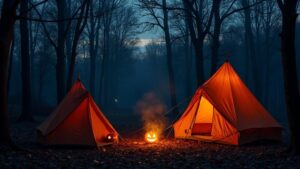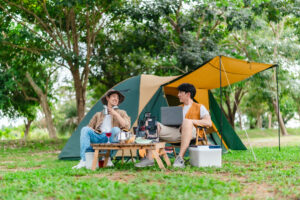
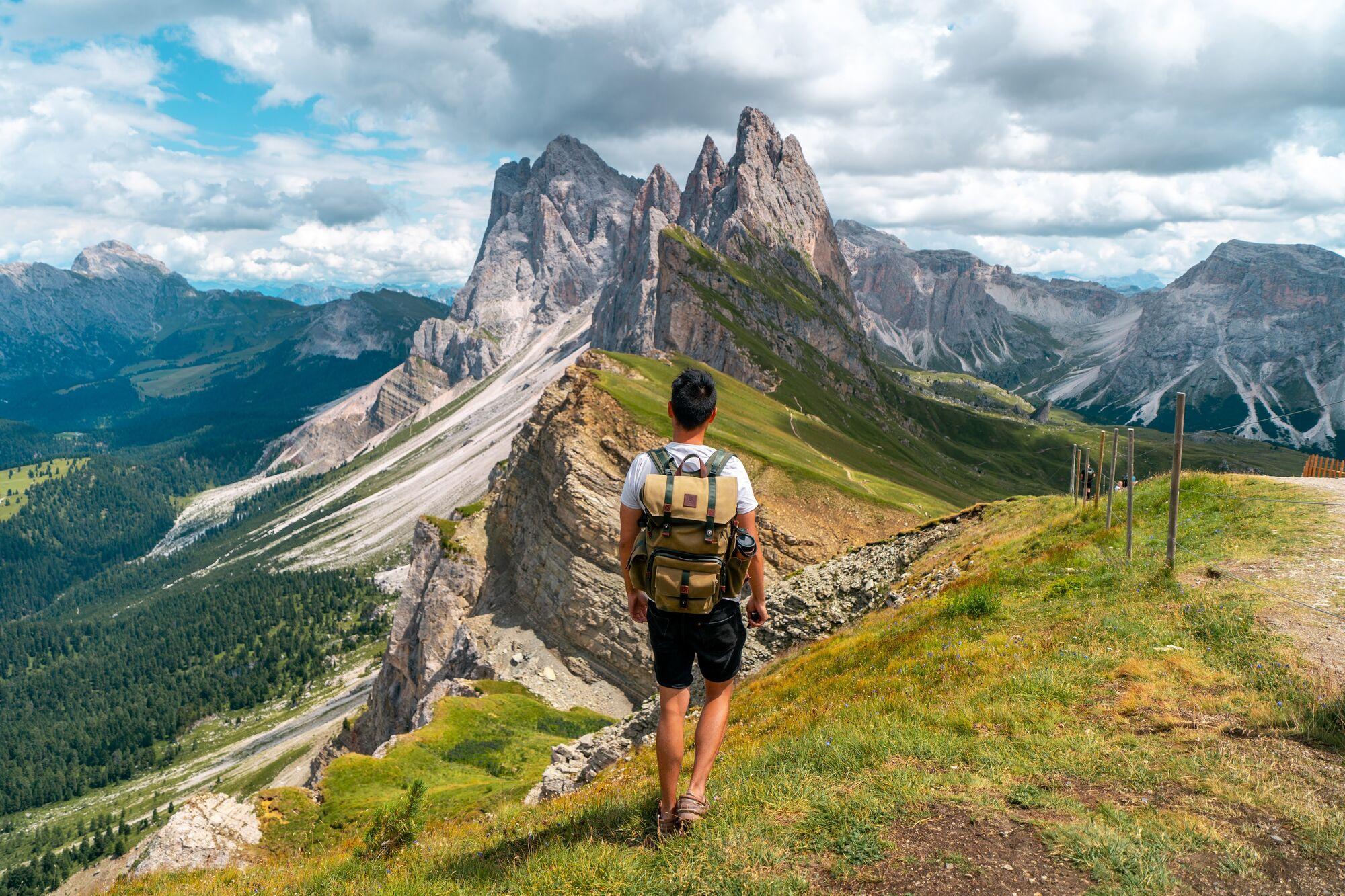
There is something extraordinary about stepping away from everyday routines, packing a backpack and heading into the unknown. Whether it involves spending a peaceful weekend camping in the British countryside, hiking through dramatic mountain landscapes or travelling across continents to discover new cultures, camping and global adventures offer opportunities for freedom, independence and personal discovery.
At The Solo Gent, we believe adventure is more than simply visiting new destinations. It is about embracing experiences, building confidence, connecting with nature and creating memories that last a lifetime. For the modern gentleman, travelling independently can provide a refreshing escape from daily responsibilities while opening the door to new perspectives and exciting opportunities.
Camping has become an increasingly appealing way to explore the outdoors, offering an alternative to traditional hotels and busy tourist resorts. From woodland retreats and coastal campsites to remote mountain locations, camping allows travellers to appreciate the natural world at their own pace. Combined with international travel, it creates endless possibilities for discovering remarkable destinations.
The beauty of camping and global adventures is that they can suit almost every personality, lifestyle and budget. Some travellers enjoy the simplicity of a tent beneath the stars, while others prefer comfortable glamping accommodation surrounded by spectacular scenery. Adventurous explorers may seek challenging mountain expeditions, whereas those looking for relaxation might prefer peaceful lakeside camping or scenic countryside walks.
This comprehensive guide explores the benefits of camping, essential equipment, popular destinations, international adventures, travel planning, personal safety and the unique rewards of exploring the world independently.
Modern lifestyles are often dominated by technology, work commitments, social expectations and busy schedules. While these responsibilities are part of everyday life, spending time outdoors offers an opportunity to disconnect from distractions and reconnect with what truly matters.
Camping provides a refreshing change of environment. Instead of waking up to traffic, notifications and crowded streets, campers can enjoy birdsong, fresh air and beautiful natural surroundings. These simple experiences encourage a slower pace of life and create opportunities to appreciate moments that might otherwise go unnoticed.
For individuals who spend much of their time indoors or working in demanding environments, outdoor adventures can provide valuable opportunities for physical activity and mental relaxation. Walking through forests, exploring countryside trails and enjoying peaceful evenings around a campsite can help reduce everyday stress.
Camping also encourages independence and practical problem-solving. Setting up a tent, preparing meals outdoors, navigating unfamiliar landscapes and adapting to changing weather conditions all help develop useful skills.
Perhaps most importantly, camping reminds us that memorable experiences do not always require expensive accommodation or elaborate entertainment. Sometimes the greatest luxury is having the freedom to enjoy a beautiful landscape without unnecessary distractions.
Solo travel offers a unique sense of freedom that can be difficult to replicate when travelling in larger groups. Independent adventurers can choose their destinations, establish their schedules and explore attractions according to their personal interests.
For The Solo Gent, this independence represents an important aspect of modern adventure. Travelling alone does not necessarily mean being isolated. Instead, it provides opportunities to meet new people, develop confidence and discover personal interests without constantly compromising on plans.
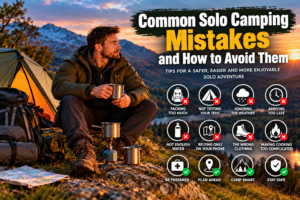
Solo camping can be particularly rewarding because it encourages self-reliance. Travellers learn to organise their equipment, plan routes, manage resources and make decisions independently.
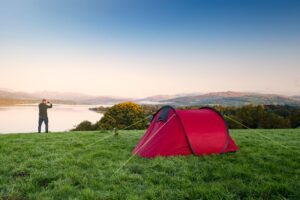
A peaceful evening spent beside a tent, watching the sunset over distant hills, can provide valuable time for reflection. Away from everyday responsibilities, solo travellers often discover new perspectives on their ambitions, priorities and personal goals.
However, independent travel also requires careful preparation. Researching destinations, checking weather forecasts, informing trusted contacts of travel plans and carrying appropriate safety equipment are essential considerations.
For beginners, starting with established campsites and shorter journeys can provide a comfortable introduction before progressing towards more adventurous experiences.
The United Kingdom offers an impressive variety of camping destinations, from dramatic mountain ranges and ancient woodlands to beautiful coastlines and rolling countryside.
One of the most popular regions for outdoor enthusiasts is the Lake District in northwest England. Known for its spectacular lakes, rugged mountains and picturesque villages, the Lake District offers excellent opportunities for hiking, photography and outdoor exploration.
Visitors can spend their days walking around Windermere, exploring scenic trails or taking on more challenging mountain routes. Established campsites provide convenient accommodation for those wishing to experience the region’s natural beauty.
The Scottish Highlands offer another remarkable destination. Vast landscapes, remote valleys and breathtaking mountain scenery create an unforgettable environment for adventurous travellers.
Scotland is particularly appealing to those seeking quieter locations and opportunities to experience nature away from crowded urban areas. However, campers should understand local access rules, environmental responsibilities and safety considerations before travelling into remote regions.
Wales also offers exceptional camping opportunities, particularly around Eryri National Park. The region features dramatic mountains, scenic lakes and extensive walking routes suitable for different experience levels.
For travellers who prefer coastal adventures, Cornwall, Devon and Pembrokeshire provide beautiful beaches, coastal paths and established camping facilities.
Camping regulations vary throughout the UK, and wild camping is not automatically permitted everywhere. Travellers should always check landowner permissions, national park guidance and local restrictions before choosing a location.
Preparing the correct equipment can make a significant difference between an enjoyable outdoor experience and an uncomfortable journey.
A reliable tent is one of the most important investments for any camper. The ideal tent should provide suitable weather protection, ventilation and enough space for sleeping equipment and personal belongings.
For solo travellers, lightweight one-person or two-person tents can offer an excellent balance between portability and comfort. Those planning longer camping trips may prefer additional space for equipment storage.
A suitable sleeping bag is equally important. Different sleeping bags are designed for different temperatures and seasons, making it essential to choose one appropriate for the expected conditions. An insulated sleeping mat also helps reduce heat loss to the ground and improves comfort.
Outdoor clothing should be selected according to the destination, weather conditions and planned activities. Waterproof jackets, suitable walking boots, moisture-wicking layers and warm clothing can help travellers remain comfortable when temperatures change.
Cooking equipment is another useful consideration. Portable camping stoves allow adventurers to prepare simple meals while travelling. These should always be operated outdoors in accordance with manufacturer instructions because of fire and carbon monoxide risks.
Additional equipment may include a head torch, first-aid kit, water filtration system, portable charger, navigation tools and emergency supplies.
The objective is not necessarily to purchase the most expensive equipment available, but to choose reliable products that suit individual needs and travel conditions.
Camping in the UK can provide wonderful experiences, but international travel introduces entirely new landscapes, cultures and opportunities for adventure.
Exploring the world allows travellers to experience environments that differ dramatically from those found at home. From tropical rainforests and vast deserts to volcanic landscapes and snow-covered mountains, global adventures provide opportunities to discover the planet’s remarkable diversity.
International travel also introduces visitors to different traditions, languages, cuisines and lifestyles. These cultural experiences can be just as memorable as the landscapes themselves.
For independent travellers, visiting unfamiliar destinations encourages adaptability and curiosity. Learning basic local phrases, understanding cultural expectations and navigating different transport systems can help build confidence.
Travelling internationally does not always require an extensive budget. With careful planning, flexible travel dates and sensible accommodation choices, adventurers can discover remarkable destinations without excessive spending.
Camping, hostels, guesthouses and affordable outdoor accommodation can all provide alternatives to luxury hotels.
At The Solo Gent, global adventure is about discovering experiences that genuinely matter rather than simply collecting destinations.
Norway is widely recognised for its dramatic fjords, towering mountains, scenic coastal landscapes and remarkable natural beauty.
For camping enthusiasts, the country offers exceptional opportunities to explore wilderness areas while enjoying some of Europe’s most spectacular scenery.
Norway’s traditional right of access, known as allemannsretten, allows responsible outdoor recreation and certain forms of camping on uncultivated land, subject to specific conditions and restrictions.
Visitors should familiarise themselves with local regulations, including distance requirements from inhabited buildings, environmental protection rules and seasonal restrictions.
The Norwegian fjords are particularly appealing to photographers and nature enthusiasts. Deep waterways surrounded by towering cliffs create dramatic landscapes that change throughout the day.
During summer, northern regions experience extended daylight, providing additional opportunities for outdoor activities.
In winter, parts of Norway offer opportunities to observe the northern lights, although cold temperatures and challenging conditions require specialist preparation.
Whether exploring scenic mountain roads, hiking established trails or enjoying peaceful evenings beside a fjord, Norway represents an exceptional destination for adventurous travellers.
Few destinations offer landscapes as distinctive as Iceland.
Known for its volcanic terrain, geothermal activity, glaciers and impressive waterfalls, Iceland provides an extraordinary environment for outdoor exploration.
The country’s famous Ring Road connects numerous natural attractions, making road trips a popular option for independent travellers.
Visitors can explore waterfalls, black-sand beaches, geothermal areas and dramatic mountain scenery while discovering landscapes that appear almost otherworldly.
Camping can provide a practical way to explore Iceland, particularly during the warmer months. However, camping rules are restrictive in many areas, and travellers should use designated campsites or obtain permission where required.
Weather conditions can change rapidly, even during summer. Strong winds, heavy rainfall and sudden temperature changes mean suitable equipment and careful planning are essential.
Iceland also offers remarkable opportunities for photography. From glacier lagoons to volcanic formations, the country provides countless memorable landscapes.
For The Solo Gent adventurer seeking something different, Iceland combines natural beauty, independence and exploration.
Canada is one of the world’s most appealing destinations for travellers who enjoy mountains, forests, lakes and wildlife.
The country’s enormous landscapes offer opportunities for camping, hiking, canoeing and exploring national parks.
Popular destinations include Banff National Park and Jasper National Park, both recognised for their dramatic Rocky Mountain scenery.
Turquoise lakes, dense forests and impressive mountain peaks provide breathtaking surroundings for outdoor enthusiasts.
Canada’s national parks offer established camping facilities, although reservations may be necessary during busy periods.
Wildlife awareness is particularly important. Travellers should understand local guidance concerning bears and other wild animals, store food correctly and avoid approaching wildlife.
Canada is also ideal for scenic road trips. Travelling between mountain towns, national parks and remote landscapes provides opportunities to discover the country’s diverse natural environments.
For those seeking extended outdoor adventures, Canada offers a remarkable combination of accessible tourism infrastructure and expansive wilderness.
Australia and New Zealand offer two very different but equally exciting approaches to outdoor exploration.
Australia is known for its vast landscapes, dramatic coastlines, tropical environments and unique wildlife.
Travellers can discover national parks, explore coastal walking routes and enjoy camping experiences in designated areas across the country.
However, Australia’s climate varies significantly between regions. Extreme heat, bushfire risks, remote travel distances and wildlife hazards require careful preparation.
New Zealand offers a contrasting environment characterised by alpine mountains, clear lakes, dramatic valleys and impressive coastal landscapes.
The South Island is particularly popular with outdoor enthusiasts because of its mountain scenery and established hiking routes.
New Zealand’s Department of Conservation manages numerous campsites and outdoor facilities, making it easier to plan responsible adventures.
Freedom camping is regulated, and restrictions differ between locations. Visitors should check local rules and vehicle requirements before travelling.
Both countries provide memorable experiences for independent travellers interested in exploring beyond conventional holiday destinations.
Successful adventures often begin long before departure. Research, organisation and realistic expectations can help travellers enjoy their experiences while reducing unnecessary complications.
The first stage involves selecting a destination that matches personal interests, physical abilities and available time.
A beginner may prefer a short camping trip at an established site, while an experienced outdoor enthusiast might enjoy a multi-day hiking expedition.
Budgeting is another important consideration. Transport, accommodation, food, equipment, insurance and activities should all be included when calculating travel costs.
International travellers should check passport validity, visa requirements, entry conditions and any relevant health recommendations before departure.
Travel insurance should also be considered carefully, particularly for activities such as mountain trekking, remote camping or adventure sports. Not all standard policies cover specialist outdoor activities.
Weather research is equally important. Understanding seasonal conditions can help travellers avoid unnecessary risks and select appropriate equipment.
A flexible itinerary can be beneficial because unexpected opportunities and changing conditions are common during adventurous travel.
Rather than scheduling every minute, leaving room for spontaneous exploration can make the journey more enjoyable.
Personal safety should remain a priority during every outdoor adventure.
Before departure, travellers should research their destination, understand potential hazards and identify suitable emergency arrangements.
For solo camping trips, sharing an itinerary with a trusted contact is a sensible precaution. This information may include the intended route, campsite location and expected return time.
Reliable navigation is particularly important in remote environments. Mobile phone signals are not guaranteed, making offline maps and appropriate navigation equipment valuable additions.
Travellers should also monitor weather forecasts and remain prepared to adjust plans when conditions become unsafe.
Food hygiene, safe drinking water and proper waste disposal are essential aspects of outdoor travel.
When travelling internationally, understanding local laws, customs and emergency contact arrangements can help avoid difficulties.
For UK travellers, the Foreign, Commonwealth & Development Office provides destination-specific travel advice that should be reviewed before international journeys.
Confidence is an important part of independent adventure, but it should always be balanced with preparation, realistic decision-making and respect for environmental conditions.
As outdoor tourism continues to attract travellers, protecting natural environments becomes increasingly important.
Responsible camping begins with respecting the landscapes that make outdoor adventures possible.
Travellers should avoid leaving litter, damaging vegetation or disturbing wildlife. Existing paths and designated camping areas should be used where appropriate to minimise environmental impact.
The principles of Leave No Trace provide useful guidance for reducing the impact of outdoor recreation.
Campfires should only be used where permitted and safe. In many environments, portable stoves are a more appropriate option, although fire restrictions may also apply to these.
International travellers can support responsible tourism by choosing suitable accommodation, respecting local communities and supporting local businesses.
Reducing unnecessary waste, carrying reusable equipment and avoiding single-use products can also contribute to more sustainable travel habits.
The objective is simple: enjoy remarkable destinations while helping preserve them for future generations.
At The Solo Gent, responsible adventure means recognising that freedom comes with a responsibility to respect the places we explore.
One of the greatest rewards of camping and international adventure is the opportunity for personal growth.
Every journey introduces new situations that require decisions, patience and adaptability.
A first solo camping trip might involve learning to assemble a tent, cook outdoors or navigate unfamiliar countryside.
An international adventure may involve communicating in another language, understanding local transport or adapting to unfamiliar cultural traditions.
These experiences can gradually strengthen confidence and independence.
Outdoor challenges also encourage resilience. Weather conditions may change, travel arrangements may be disrupted and unexpected problems can arise.
Learning to respond calmly and practically to these situations develops skills that can be valuable beyond travelling.
Adventure does not require unnecessary risk or extreme physical challenges. Personal growth can come from simple experiences such as completing a new walking route, visiting a different country or spending a weekend independently.
The most meaningful adventures are often those that encourage travellers to move slightly beyond their usual comfort zones while remaining within safe and manageable limits.
One common misconception is that international adventures require substantial financial resources.
Although some destinations and activities can be expensive, careful planning can make travel more accessible.
Camping often reduces accommodation expenses compared with hotels, particularly when travellers already own suitable equipment.
Preparing meals independently can also help manage daily spending.
For international travel, comparing transport options, travelling outside peak holiday periods and researching affordable destinations may provide worthwhile savings.
However, travellers should avoid sacrificing essential safety equipment, insurance or suitable accommodation simply to reduce costs.
Purchasing durable equipment can offer better long-term value than repeatedly replacing inexpensive products.
Second-hand outdoor equipment may also be worth considering, provided its condition and suitability can be checked.
A realistic travel budget should include emergency funds for unexpected expenses.
The aim is not necessarily to travel as cheaply as possible, but to spend wisely while prioritising meaningful experiences.
Camping and global travel provide countless opportunities to capture beautiful photographs and memorable stories.
From early morning mountain landscapes to colourful city streets and remote coastal scenery, every destination offers something distinctive.
Photography encourages travellers to observe their surroundings more carefully and appreciate details they might otherwise overlook.
For beginners, a modern smartphone can be sufficient to capture impressive travel images. More experienced photographers may prefer dedicated cameras and specialist equipment.
Keeping a travel journal is another rewarding way to document experiences.
Recording destinations, memorable encounters, personal reflections and lessons learned can create a lasting record of each journey.
Sharing travel experiences through blogs and social media can also inspire others to explore new destinations.
The Solo Gent encourages travellers to celebrate authentic experiences rather than focusing exclusively on creating perfect photographs.
Sometimes the most memorable moments are those that happen unexpectedly and cannot be fully captured by a camera.
Outdoor travel continues to evolve as travellers explore different ways of experiencing the world.
Traditional tent camping remains appealing because of its simplicity and connection with nature, while glamping and campervan travel offer alternatives for those seeking additional comfort.
Technology has also changed the way adventures are planned. Digital maps, weather applications and online booking platforms make it easier to research destinations and organise journeys.
Nevertheless, technology should support outdoor exploration rather than replace practical knowledge and preparation.
Travellers are also increasingly able to discover lesser-known destinations through online communities and independent travel publications.
This creates opportunities to explore beyond familiar tourist attractions, although responsible behaviour remains essential to protecting sensitive environments.
For modern adventurers, the future of travel offers exciting possibilities for combining independence, discovery, sustainability and personal development.
Whether exploring the British countryside or planning an international expedition, there will always be new landscapes to discover and experiences to enjoy.
A solo adventure can be one of the most rewarding experiences a person undertakes.
It offers freedom from everyday expectations and allows travellers to make decisions based on their own interests and ambitions.
For some, this might mean a peaceful weekend camping beside a lake. For others, it could involve exploring European cities, hiking through the Canadian Rockies or discovering the remarkable landscapes of New Zealand.
The destination itself is only part of the experience.
Travelling independently creates opportunities to develop confidence, learn practical skills, meet interesting people and gain a greater appreciation of the world.
It also encourages travellers to value experiences over possessions.
A spectacular sunrise, an unexpected conversation or a challenging mountain walk can become a treasured memory long after the journey has ended.
At The Solo Gent, we believe adventure should be accessible, enjoyable and personally meaningful.
There is no single correct way to explore the world. Every traveller can create an experience that reflects their own interests, abilities and ambitions.
Camping and global adventures offer far more than temporary escapes from everyday life. They provide opportunities to discover extraordinary landscapes, experience different cultures, develop practical skills and embrace a greater sense of independence.
From peaceful camping weekends in the United Kingdom to unforgettable international journeys through Norway, Iceland, Canada, Australia and New Zealand, the world offers endless possibilities for those willing to explore.
The key to successful adventure is finding the right balance between freedom, preparation and responsibility. With suitable equipment, thoughtful planning and an open mind, travellers can enjoy experiences that create lasting memories.
Whether you are an experienced camper, a first-time solo traveller or someone dreaming of exploring distant destinations, every adventure begins with a decision to discover something new.
At The Solo Gent, we celebrate independent living, outdoor exploration and the confidence to experience the world on your own terms.
Your next adventure does not have to begin on the other side of the planet. It could start with a weekend beneath the stars, a countryside walking route or a spontaneous trip to somewhere you have never visited.
The world is waiting to be explored.
Explore more. Discover more. Live adventurously.
The Solo Gent – Your Lifestyle. Your Journey. Your Adventure.