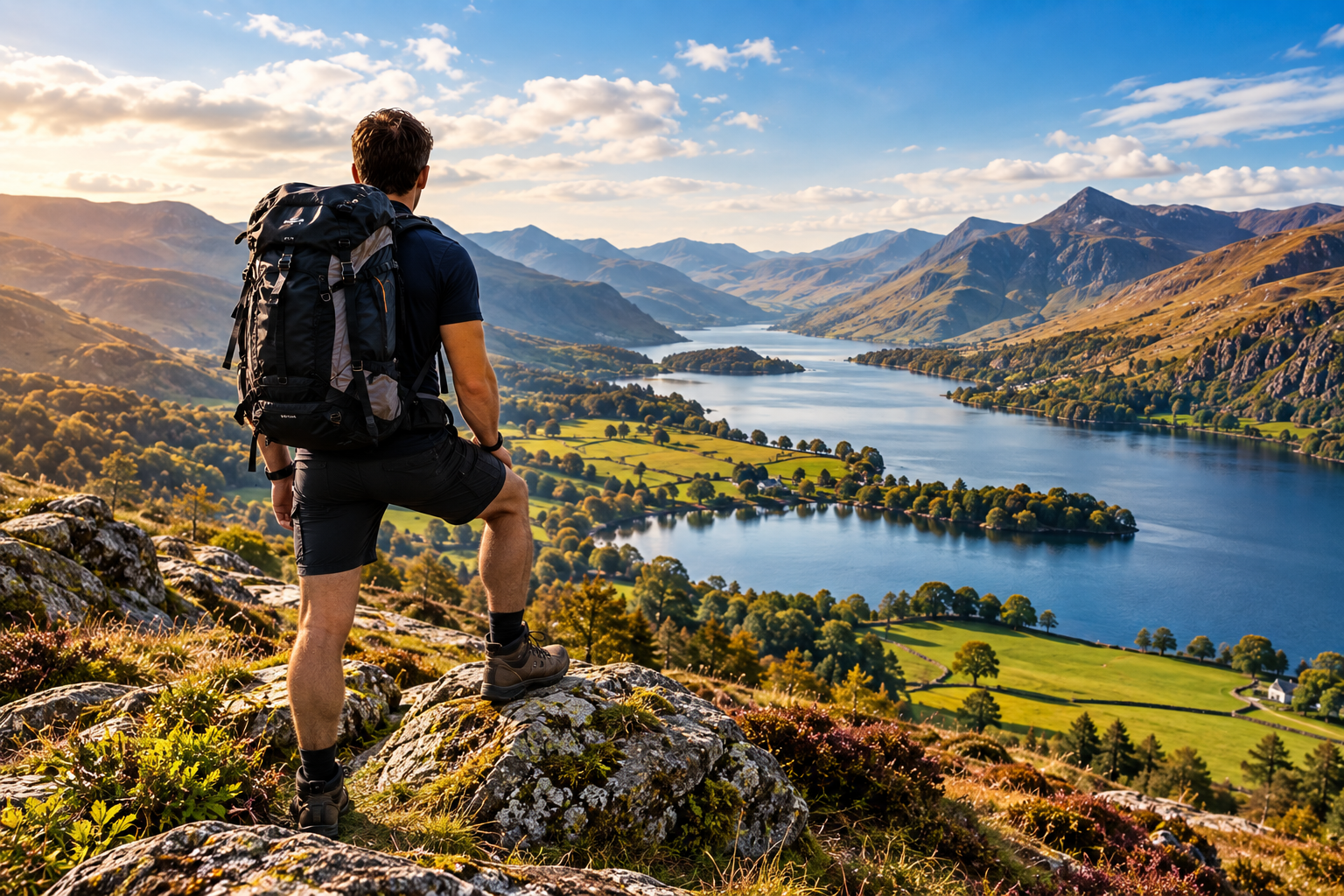
A memorable adventure does not require two weeks of annual leave, an international flight or months of planning. Sometimes all you need is a free weekend, a destination and the willingness to go somewhere on your own.
The solo weekend adventure is one of the easiest ways to bring more exploration into everyday life. You can finish work on Friday, head somewhere new and return on Sunday with experiences that make the weekend feel considerably longer than two ordinary days at home.
Travelling alone also changes the character of the experience. You decide the destination. You choose the accommodation. You determine when to eat, where to walk and whether Saturday means covering fifteen miles or sitting beside a lake with coffee and a book.
That freedom is precisely what makes a solo weekend worth trying.
People often begin planning by searching for destinations. A better first question is: what kind of weekend do you actually want?
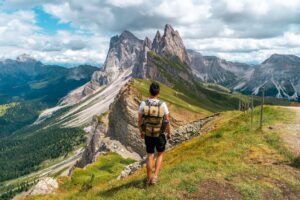
Perhaps you want a challenging hiking weekend. Maybe you want to camp somewhere peaceful, explore a coastal town, photograph landscapes, visit historic locations or simply escape your normal routine.
Once you understand the experience you want, choosing a destination becomes easier.
For an active weekend, look for places with walking routes and outdoor attractions. For relaxation, prioritise scenery, straightforward accommodation and somewhere pleasant to eat. If camping is the focus, search for campsites that provide the facilities you need.
Your destination should serve the trip rather than becoming the entire purpose of it.
For a two-night adventure, spending most of Saturday travelling rarely makes sense.
Choose somewhere far enough away to feel different but close enough that travelling does not consume the weekend.
The ideal distance varies according to where you live and how you travel. A destination ninety minutes away can feel like another world if the scenery and atmosphere are sufficiently different.
Do not underestimate locations near home. We often overlook nearby countryside because it feels too familiar, while visitors may travel hundreds of miles to see exactly the same places.
Your accommodation changes the entire experience.
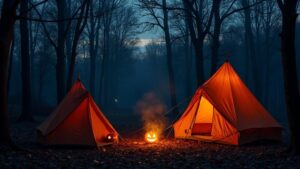
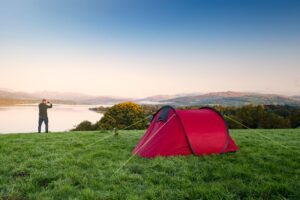
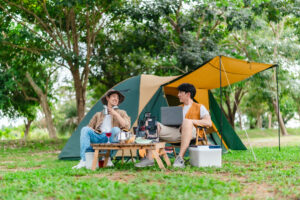
Camping provides independence and keeps you close to the outdoors. Hostels can be affordable and sociable. Hotels offer comfort after a long day. Cabins and glamping options provide a compromise between outdoor atmosphere and conventional accommodation.
There is no requirement for every solo adventure to involve hardship.
One weekend you might carry a backpack and sleep in a tent. The next could involve a comfortable hotel, excellent dinner and a morning walk.
Adventure is about experiencing somewhere differently, not deliberately making yourself uncomfortable.
Planning is valuable, but scheduling every minute can remove one of the greatest advantages of travelling alone: spontaneity.
Instead, create a loose framework.
Know how you are getting there, where you are staying and the major activity you want to complete. Identify a few backup options and somewhere to eat.
Then leave space.
You might discover an interesting trail, café, village or viewpoint that never appeared in your original research.
Because you are alone, you can change direction immediately.
Weather can transform a weekend outdoors.
Check conditions before leaving and again close to departure. Look beyond a simple sunshine symbol. Consider temperature, rainfall, wind and how conditions might vary at elevation if you are heading into hills or mountains.
Pack accordingly and be prepared to modify your plans.
Changing your route because conditions deteriorate is not a failed adventure. It is part of travelling responsibly.
A wet Saturday can become an opportunity to explore a town, museum, café or indoor attraction before returning outside when conditions improve.
Packing for two nights should not require half your wardrobe.
Choose versatile clothing that can be layered and reused. Pack according to the activities you genuinely expect to do.
For outdoor weekends, suitable footwear and waterproof protection deserve priority.
Bring charging equipment and a power bank where appropriate. Keep essential documents and booking information accessible.
If camping, your equipment list becomes more extensive, but the same principle applies: take what contributes to shelter, warmth, food, water, navigation, safety and comfort.
Travelling light makes moving between places considerably easier.
A weekend becomes more memorable when it has a purpose.
That might mean climbing a particular hill, completing a coastal walk, cycling a route, camping alone for the first time or photographing sunrise from a specific viewpoint.
The challenge does not have to impress anybody else.
It simply gives the weekend structure.
Once completed, the rest of the trip can be relaxed. Find somewhere good for lunch, explore a village or spend the afternoon doing very little.
Food can become one of the best parts of travelling alone.
You do not have to negotiate restaurant choices or wait for everybody else to decide when they are hungry. If you see somewhere interesting, walk in.
For camping weekends, plan meals before leaving. Simple food is generally easier, particularly after a long day walking.
Consider including one meal that feels like a reward. It might be breakfast at a local café, dinner in a country pub or your favourite camping meal after reaching your pitch.
These small rituals become part of the memory of a place.
Some people are perfectly comfortable walking alone for ten miles but suddenly feel self-conscious entering a restaurant without company.
There is no reason to.
Solo dining is increasingly normal and is simply part of independent travel.
Take a book if you want something to do. Sit somewhere with a view. Use the time to plan tomorrow or simply enjoy your meal.
Once you stop imagining that everybody else is paying attention to you, eating alone becomes remarkably easy.
Your phone is useful for navigation, photography, bookings and emergencies, but it can also follow you into the countryside carrying exactly the distractions you wanted to escape.
Create periods when you deliberately stop checking notifications.
Sit somewhere for twenty minutes without scrolling.
Walk part of a trail without headphones.
Watch sunset without immediately turning it into content.
Photographs are wonderful, but experiencing somewhere directly matters more than documenting every minute of it.
Solo travel requires sensible preparation.
Tell somebody roughly where you are going and when you expect to return. Keep your phone charged. Research your route and accommodation before leaving.
If hiking, understand the terrain and carry suitable navigation equipment.
Know your own ability. A weekend adventure is not the place to attempt a technically demanding route simply because nobody is present to question the decision.
Trust your judgement. If somewhere feels unsuitable or conditions change, alter the plan.
Independence includes knowing when to walk away.
Modern life rarely provides genuine silence.
There is always another message, meeting, advertisement, video or conversation.
A solo weekend can remove much of that noise.
Initially, this can feel unusual. After a few hours, it often becomes one of the best parts of the experience.
You start noticing your surroundings more carefully. You think without interruption. Problems that seemed enormous during the working week sometimes become surprisingly manageable after a long walk.
You do not need to turn your weekend into a retreat or personal-development exercise. Simply allow yourself some space.
Every few trips, introduce something unfamiliar.
Try paddleboarding. Book a beginner climbing session. Learn basic landscape photography. Walk a new long-distance trail section. Hire a bicycle. Try camping during a different season.
New experiences prevent your adventures from becoming another routine.
You do not have to be naturally confident. Confidence usually follows action rather than appearing beforehand.
Repeated small traditions can make solo travel surprisingly meaningful.
Perhaps every trip begins with the same coffee stop. Maybe you buy a postcard from each destination or photograph your boots at the end of every trail.
You could keep a notebook recording where you stayed, how far you walked, what worked and what you would change next time.
Over several years, those notes become a personal record of your adventures.
Many people treat Sunday as nothing more than the journey home.
Instead, make it part of the adventure.
Wake early for a short walk. Find a local breakfast. Visit one final viewpoint or attraction.
You can still leave early enough to get home, unpack and prepare for Monday.
Those extra few hours make a two-night break feel much more substantial.
When you get home, think briefly about what worked.
Did you pack too much?
Did your footwear perform properly?
Was the destination worth revisiting?
Would you choose different accommodation?
What did you forget?
You do not need a spreadsheet. Simply recognising these things makes the next trip easier.
Experienced travellers often look effortlessly organised because they have made dozens of small mistakes and learned from every one.
The biggest change happens when solo adventures stop being unusual.
Instead of waiting for friends to become available or for the perfect opportunity, you realise that you can simply go.
One weekend might involve the coast. Another might mean a national park. Another could be camping twenty miles from home.
Adventure does not have to be spectacular to be worthwhile.
What matters is breaking routine, discovering somewhere new and taking responsibility for your own experience.
A solo weekend is about freedom without recklessness, independence without isolation and adventure without unnecessary complication.
Plan enough to stay safe and comfortable, but leave enough space for the unexpected.
Pack what you need. Pick somewhere interesting. Choose one challenge.
Then go.
You do not need to wait for somebody else to have the same weekend free.
The destination is waiting, and sometimes the best travelling companion is simply your own curiosity.

I’m the voice behind The Solo Gent, sharing my interest in solo adventures, camping and the freedom to explore at my own pace.
This blog is a place for practical ideas and honest inspiration. I write about planning trips, choosing gear and finding worthwhile adventures both close to home and farther afield. You don’t need to be an expert or travel for weeks to begin—sometimes a single night camping or a new walking route is enough.
If you’re ready to make the journey your own, welcome to The Solo Gent.